Cyanobacteria detection tools combined with field research and the use of a drone and spectroradiometer
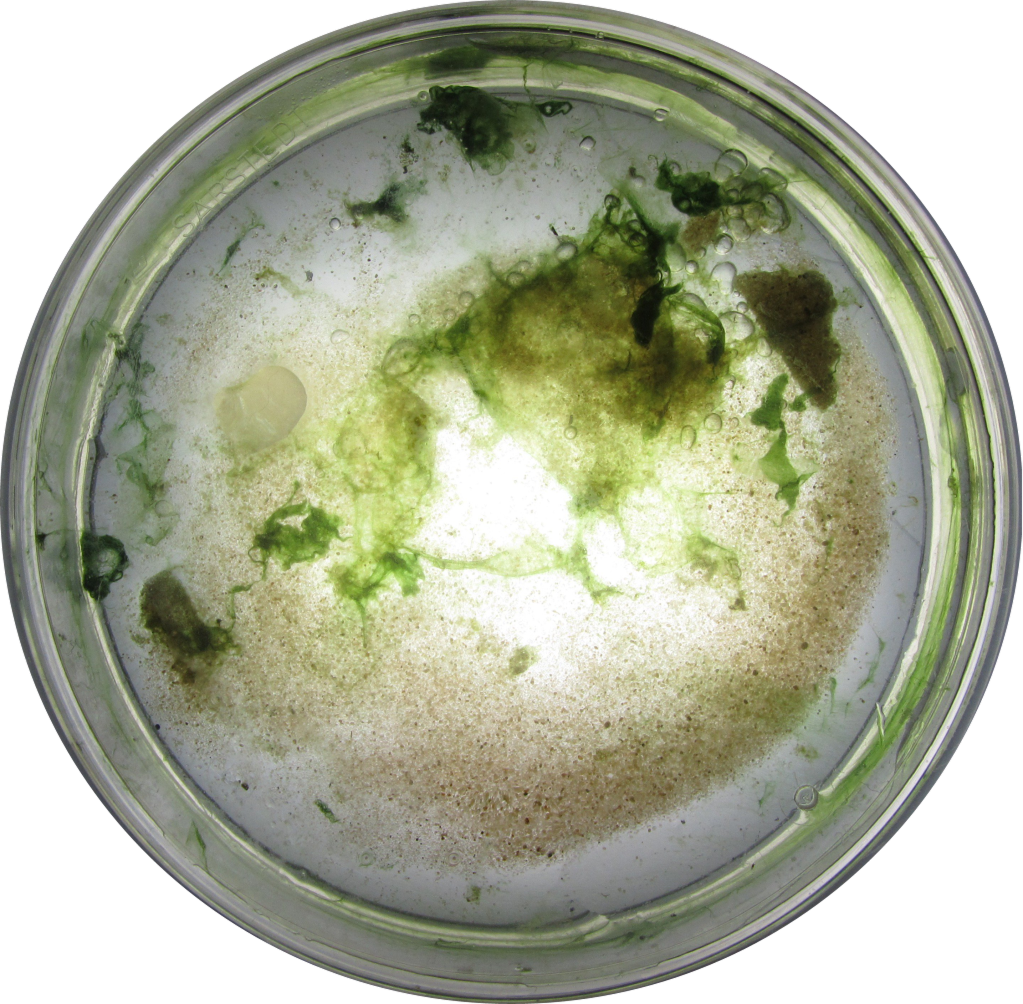
The project aims to develop and test tools for detecting and monitoring cyanobacterial blooms in water bodies by integrating satellite data, field measurements, and observations from drones and spectroradiometers. The project aims to validate remote sensing methods and assess their effectiveness in real-world conditions.
The project involves developing a remote sensing-based monitoring system for early detection and analysis of cyanobacteria blooms in water reservoirs. By combining satellite imagery with high-resolution drone data and ground-truth spectral measurements, the system provides a comprehensive tool for environmental safety.
Large-scale monitoring using Copernicus data to identify bloom patterns and historical trends in water quality
Near-surface hyperspectral imaging and biochemical sampling for precise local verification and high-resolution mapping
The project utilizes satellite data (Sentinel-2), hyperspectral drone imagery, and field measurements conducted with a spectroradiometer. To ensure the highest reliability, all spectral models are validated through professional biochemical laboratory tests.
Project Lead